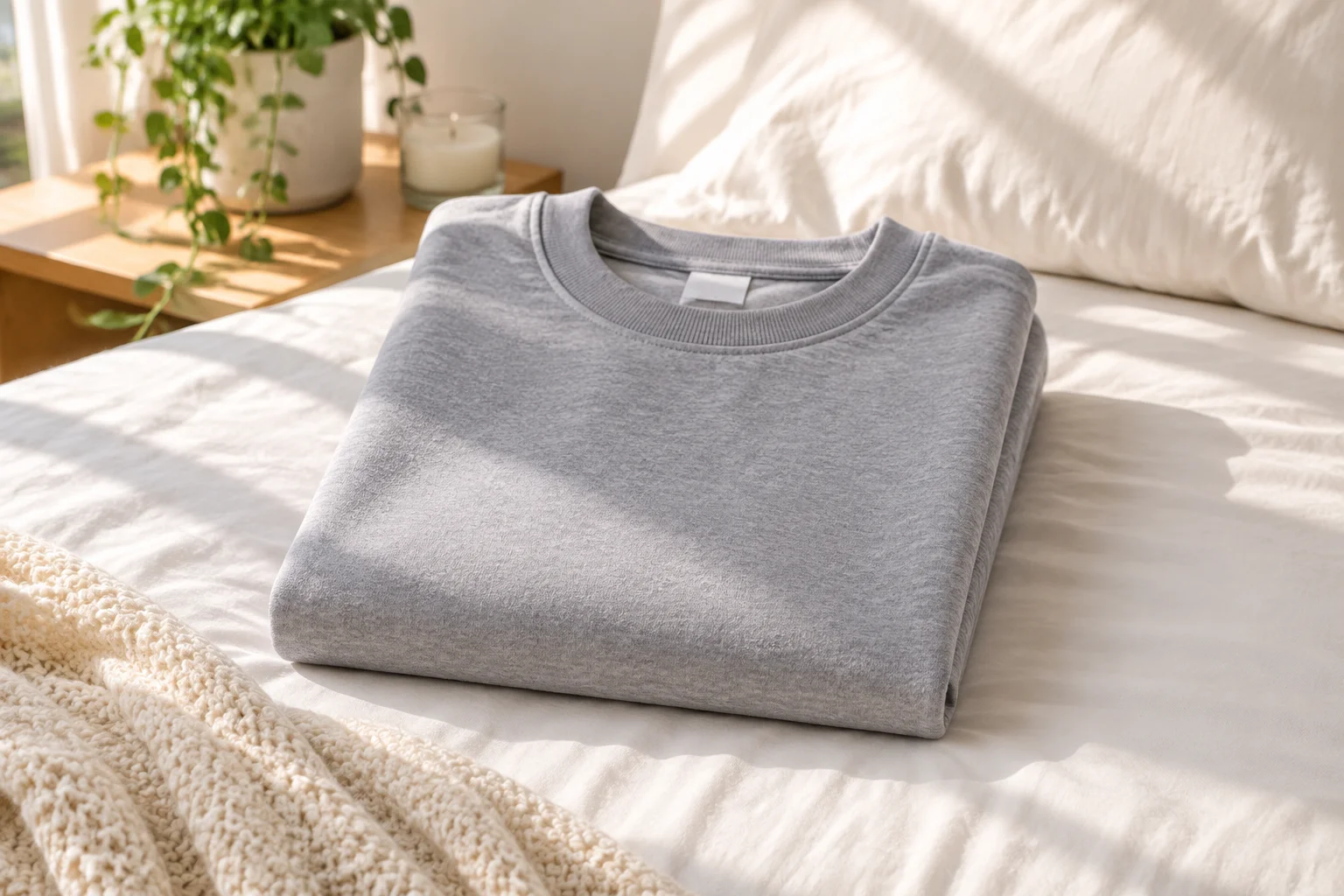
Why Roomy Nightwear Transforms Your Restorative Slumber
Tight bands and restrictive seams disrupt nocturnal microcirculation and elevate core body heat. Shifting toward airy, loose-fitting sleep garments invites unrestricted blood flow, encourages skin aeration, and allows natural thermal dips essential for uninterrupted stage-three sleep.
Circulatory Freedom and Thermal Equilibrium
During sleep, your autonomic nervous system orchestrates essential maintenance, including dilating peripheral blood vessels to shed core body heat. Restrictive waistbands, tight sleeves, and constricting cuffs physically hinder this thermal release, trapping warmth against your torso and triggering micro-awakenings throughout the night.
By swapping restrictive sleepwear for roomy silhouettes, you create an ambient microclimate that allows heat to dissipate naturally. Unhindered vascular and lymphatic flow also prevents morning limb numbness and fluid retention, enabling you to wake up rested and unencumbered.
Restorative sleep requires physical surrender. When your sleepwear eliminates pressure points, your cardiovascular system easily settles into its natural restorative rhythm.
Liam Smith, Sleepwear Research Lead
Dermal Aeration and Reduced Sleep Disruption
Tight apparel generates constant tactile friction as you shift positions, leading to subtle sensory triggers that fragment your sleep architecture. In contrast, loose natural fabrics drape gently across the skin, minimizing sensory disturbance and permitting continuous air exchange:
- Continuous Skin Respiration: Generous cuts allow moisture and heat to disperse effortlessly, discouraging the damp micro-environments where bacteria thrive.
- Uninhibited Nocturnal Movement: Eliminates the pulling and twisting of fabric around joints during standard sleep position transitions.
- Lowered Core Heat Burden: Supports uninterrupted melatonin production by facilitating the natural circadian nocturnal temperature drop.
Prioritizing relaxed tailoring alongside lightweight, breathable textiles like premium cotton or mulberry silk creates the optimal sensory conditions for uninterrupted, rejuvenating rest.
Outline of Key Topics
-
Vascular Flow and Nighttime Circulation
How eliminating pressure zones facilitates venous return and prevents limb stiffness.
-
Thermoregulation and Melatonin Dynamics
The vital connection between passive heat dissipation and deep slow-wave slumber.
-
Tactile Comfort and Skin Protection
Reducing nocturnal chafing, moisture accumulation, and dermal irritation through loose cuts.
Questions & Answers
Loose clothing creates a gentle buffer of air that allows heat radiating from your skin to escape into your bedroom environment. This supports your body's natural circadian rhythm, which requires a drop of 1 to 2 degrees Fahrenheit to initiate and sustain deep sleep.
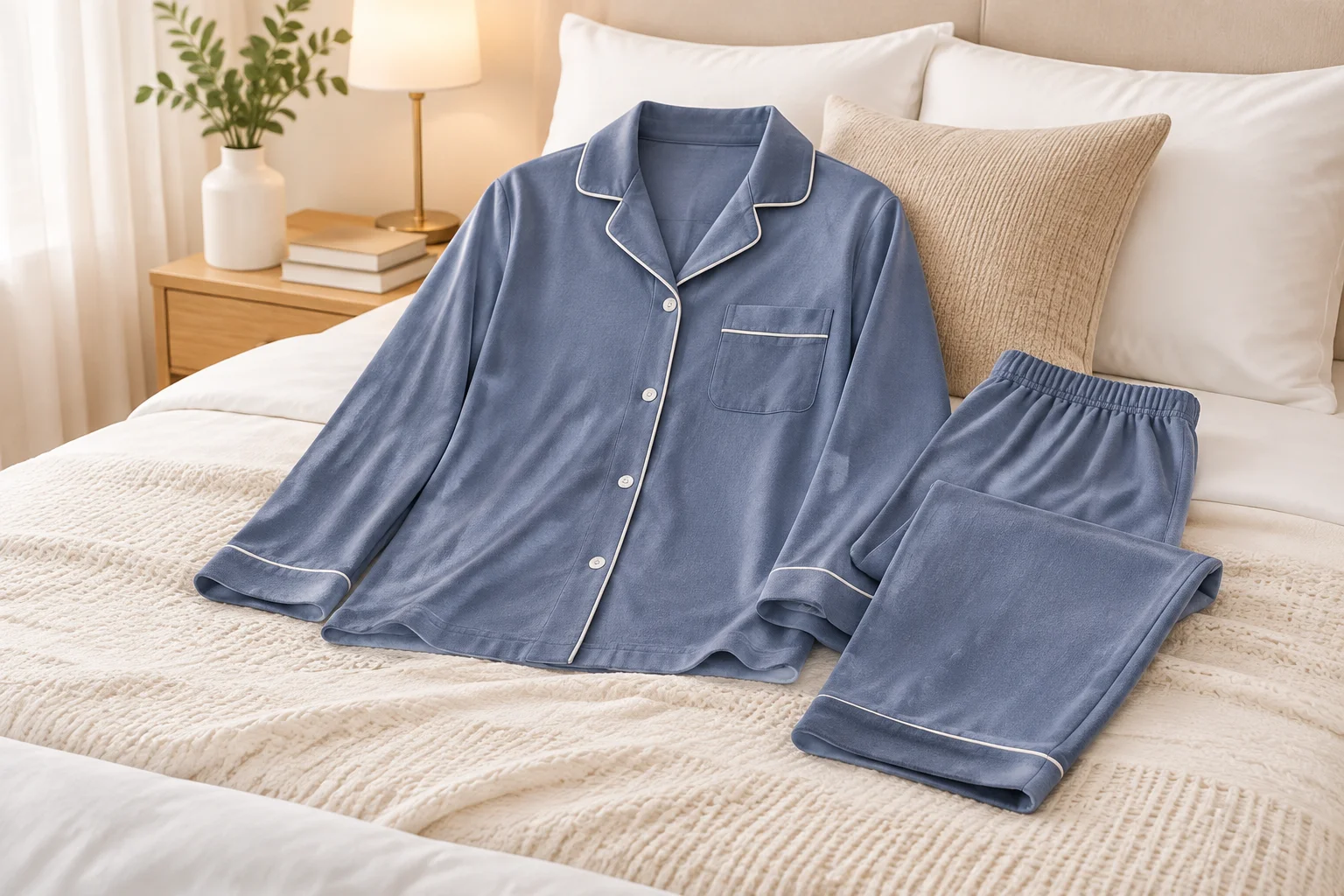
Both offer distinct advantages. While sleeping without clothes maximizes airflow, loose clothing crafted from breathable natural fibers provides gentle moisture absorption and protects against drafts if bedroom temperatures fluctuate during the night.
Oversized button-down sleep shirts, wide-leg drawstring pajama bottoms, and flowing nightgowns are ideal. Look for styles with soft flatlock seams and gentle elastic bands that do not leave indentations on the skin.